
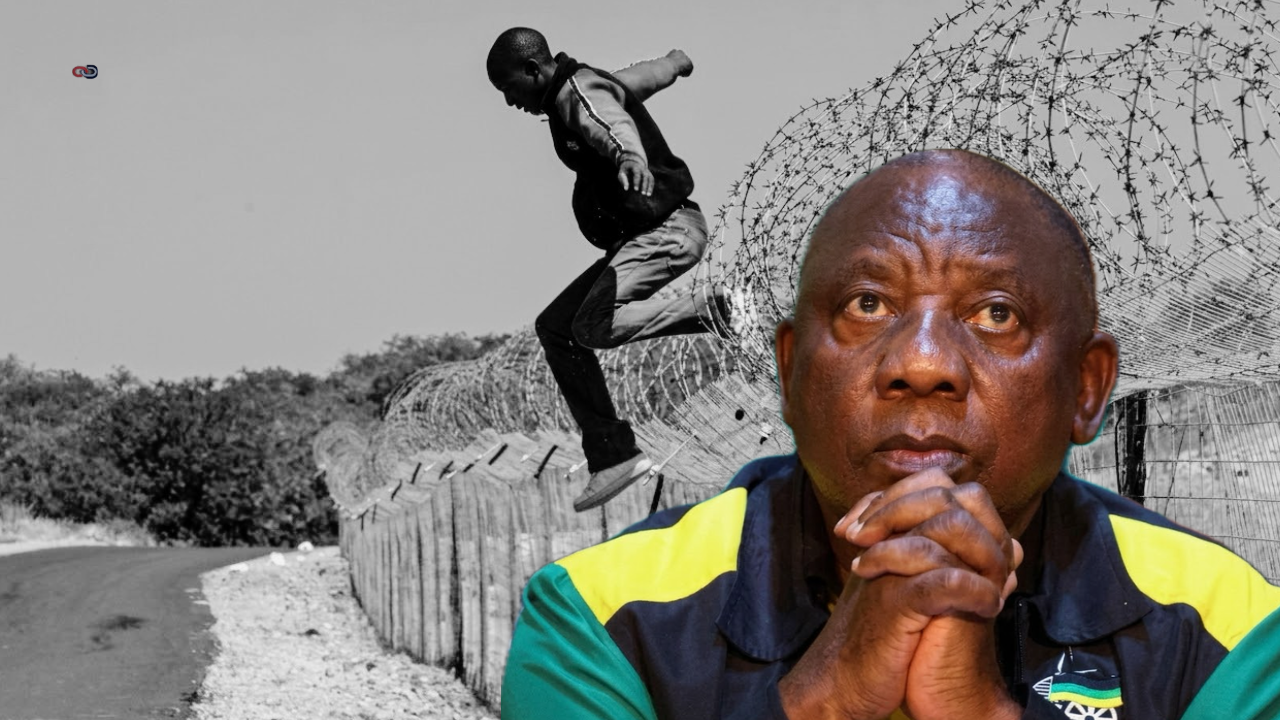
South Africa entered 2026 with immigration enforcement firmly on the political agenda. Public frustration over undocumented migration, border security, employment, pressure on public services and criminal networks had become increasingly visible. The government promised stronger enforcement, more deportations and better coordination between departments. But as the year unfolded, a bigger question emerged: was the state prepared to manage the consequences of the crackdown it had promised?
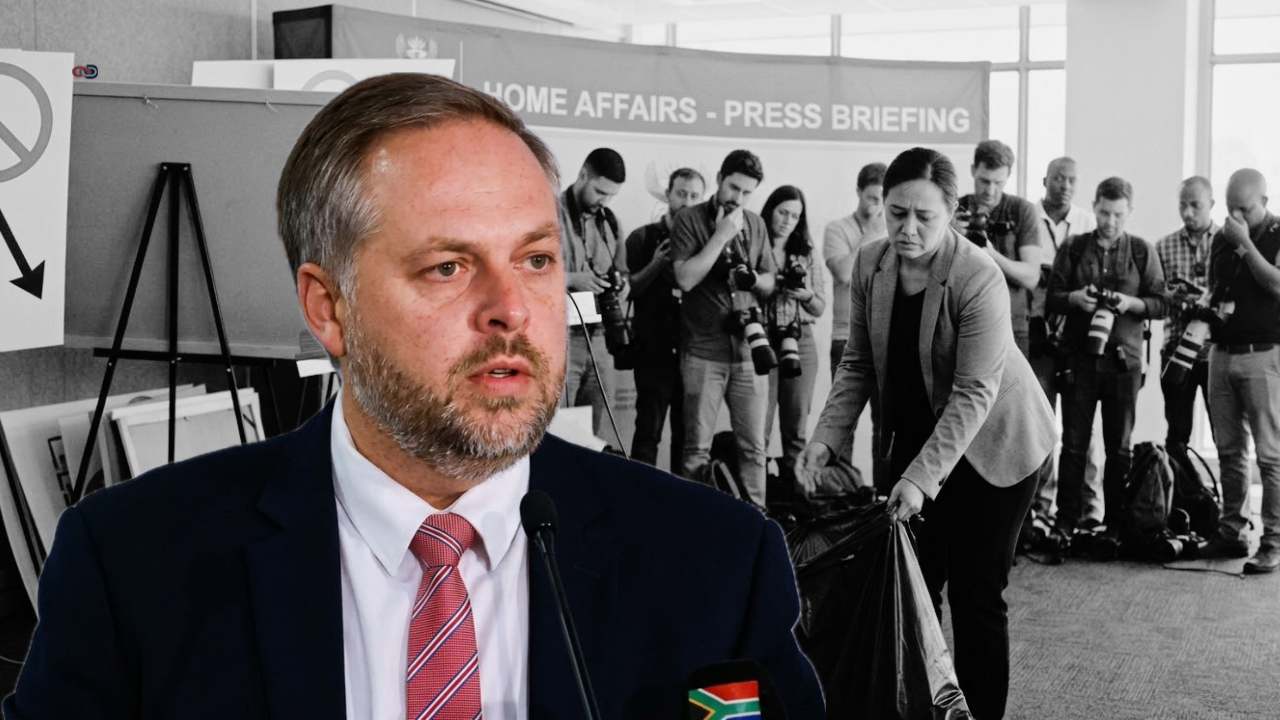
In April, Home Affairs announced that South Africa had carried out 109,344 deportations over the preceding two financial years. The department presented the figures as evidence that its enforcement reforms were working, reporting 57,784 deportations in the 2025/26 financial year. Minister Leon Schreiber also promoted biometric verification, drones, body cameras and the planned expansion of the Electronic Travel Authorisation system as part of a more modern immigration enforcement strategy. Those are significant numbers, but deportation figures alone do not tell the public how many people were apprehended, how many cases were successfully processed, how many appeals or legal challenges followed, or how much each operation cost.
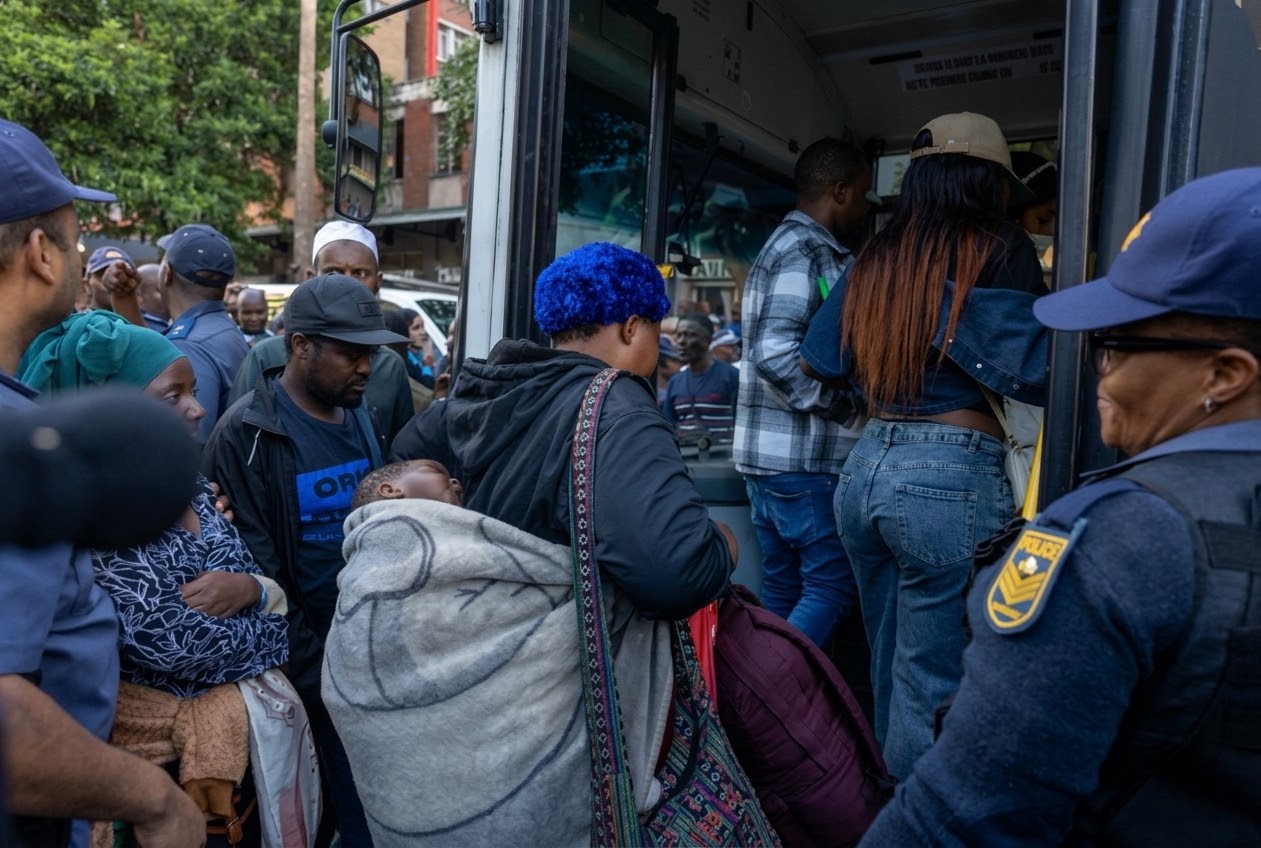
Then came the intensified operations following the anti-immigration protests in June. Government announced a coordinated approach involving Home Affairs, SAPS, the Border Management Authority and other departments. Thousands of foreign nationals were processed for repatriation, while arrests and immigration-related prosecutions increased. By July, Cabinet reported that 68,327 undocumented foreign nationals had been repatriated between 14 June and 24 July. The government also reported 28,736 immigration-related cases finalised by courts between April and June.
But the scale of an operation should not be confused with the quality of its administration. A successful immigration system must be able to identify people correctly, establish their legal status, process asylum claims where applicable, arrange travel documents and carry out deportations within the law. If any of those steps fail, the state risks spending enormous amounts of public money without resolving the underlying problem.
The question is whether government had sufficient transport, detention capacity, trained personnel, legal processes and agreements with other countries before dramatically increasing enforcement activity. If those arrangements were inadequate, why were the operations expanded before the necessary systems were ready?
South Africans have every right to demand effective border control and enforcement of immigration law. But they also have a right to demand competent government. An announcement that thousands of people have been deported is not the same as an explanation of whether the system is sustainable.
THE QUESTION FOR HOME AFFAIRS: DID SOUTH AFRICA LAUNCH AN IMMIGRATION CRACKDOWN THAT ITS OWN ADMINISTRATIVE SYSTEM WAS NOT FULLY EQUIPPED TO HANDLE?





Leave a Reply