
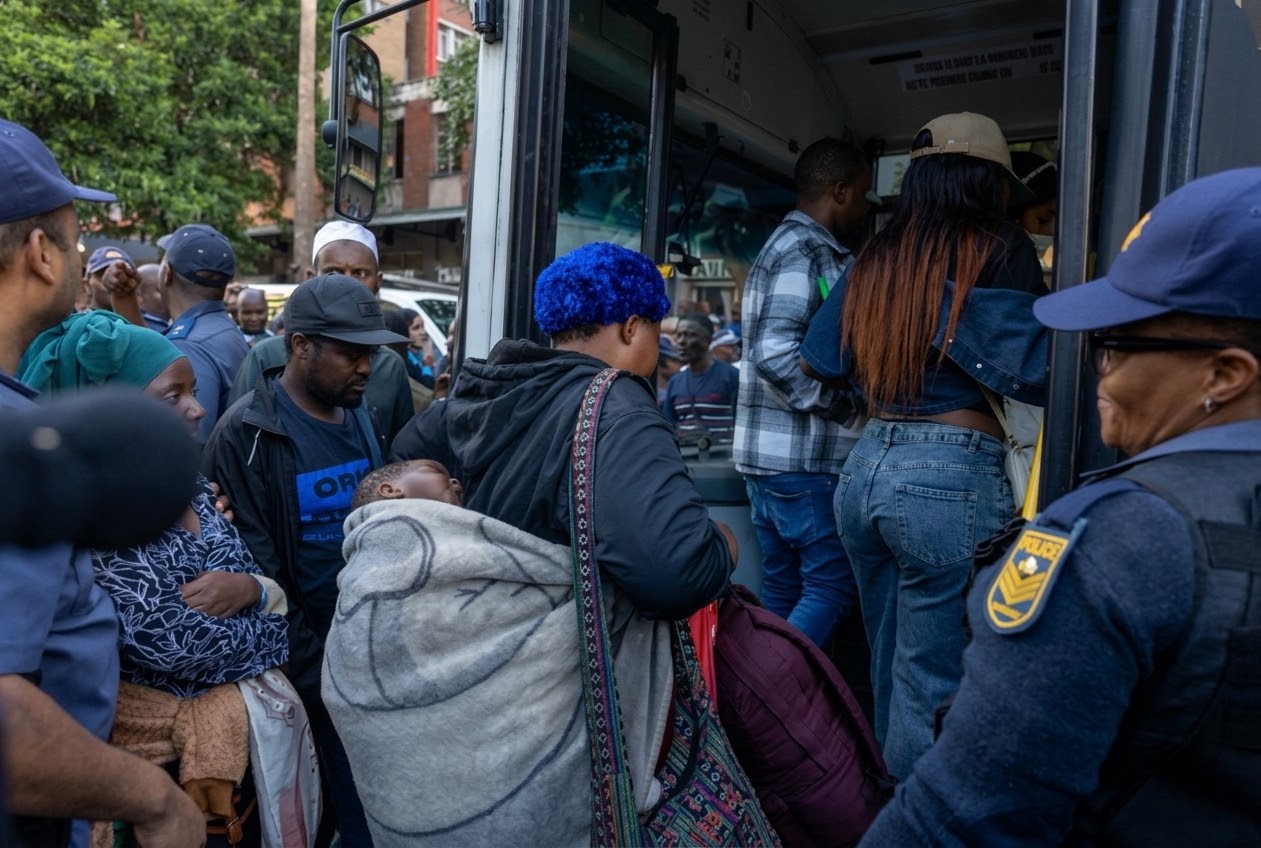
While government was communicating record deportation figures, another issue was developing inside Parliament: the cost of the intensified immigration operations.
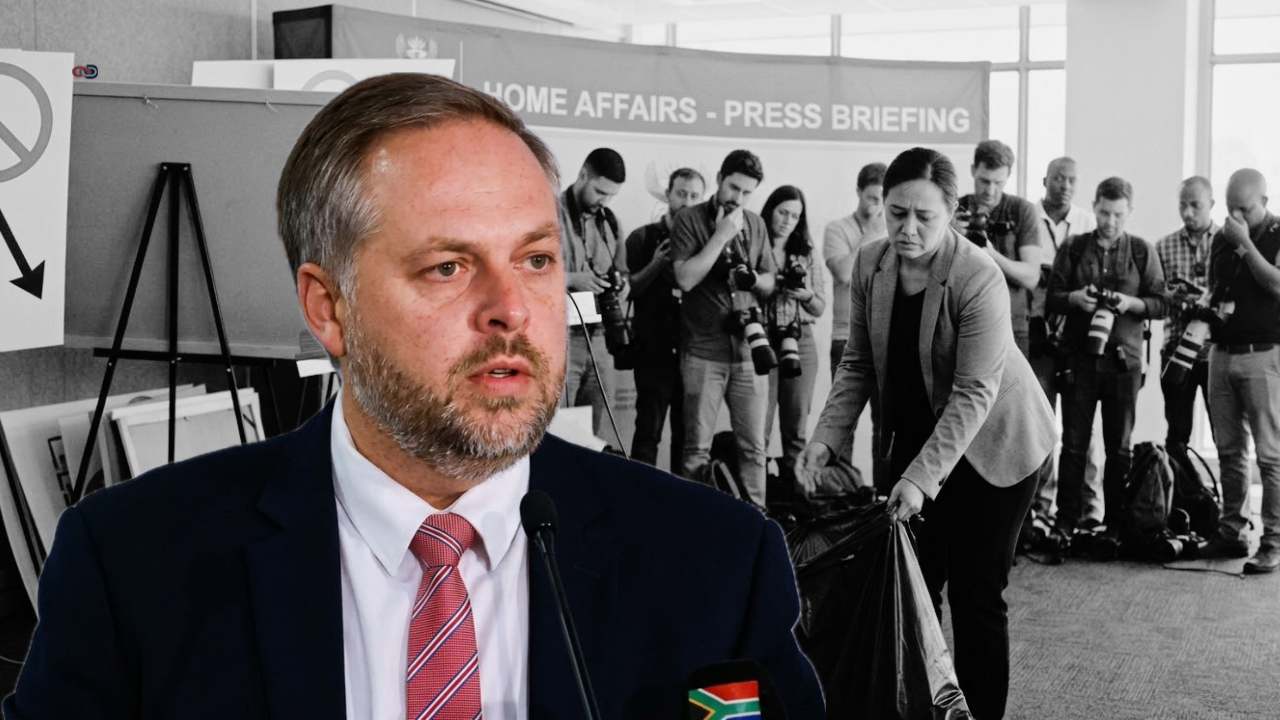
The Portfolio Committee on Home Affairs raised concerns about approximately R341 million spent on deportation and repatriation activities following the heightened enforcement operations after the June 2026 protests.
According to information presented to Parliament by the Department of Home Affairs, the expenditure included approximately R232 million for buses, R8 million for chartered flights, R13 million in overtime and R48 million to establish the Musina temporary repatriation site. The department also indicated that it had requested R292 million from National Treasury as unforeseen and unavoidable expenditure.
These figures deserve serious scrutiny. The department told Parliament that its inspectorate’s annual budget had been depleted during the intensified operations. The Chief Financial Officer then authorised the overriding of the requirement that sufficient budget be available before an order could be issued, allowing procurement processes to proceed.
The department also explained that, because of the exceptional demand for buses, it could not always obtain three quotations. The parliamentary committee expressed concern and called for full compliance with procurement requirements and internal audit processes.
This is where the story becomes bigger than immigration enforcement. South Africans are being asked to accept that hundreds of millions of rand had to be spent at short notice, but public money must always be accounted for. Urgency does not remove the requirement for transparency, financial controls and proper procurement.
Why did the inspectorate’s budget become exhausted? Were the costs anticipated? Were there existing contracts or government transport arrangements that could have reduced expenditure? How were the bus suppliers selected? Were the prices reasonable? What exactly did the R48 million Musina facility deliver, and how long was it intended to operate?
There is also the question of value for money. If the government spent hundreds of millions on emergency operations, what measurable improvement did the country receive? Did the spending strengthen permanent border management capacity, improve immigration courts and upgrade deportation systems, or did it largely pay for a temporary response to a political and operational emergency?
None of these questions establishes that money was stolen or that procurement was unlawful. That is precisely why the internal audits and parliamentary oversight matter. The public needs to see the findings, not simply hear that money was spent under difficult circumstances.
South Africans cannot afford a situation where every major government challenge becomes an emergency procurement exercise.
THE QUESTION FOR PARLIAMENT: WHO AUTHORISED THE R341 MILLION EXPENDITURE, WAS EVERY RAND SPENT PROPERLY, AND WHAT LASTING CAPACITY DID THE COUNTRY GET IN RETURN?



Leave a Reply