
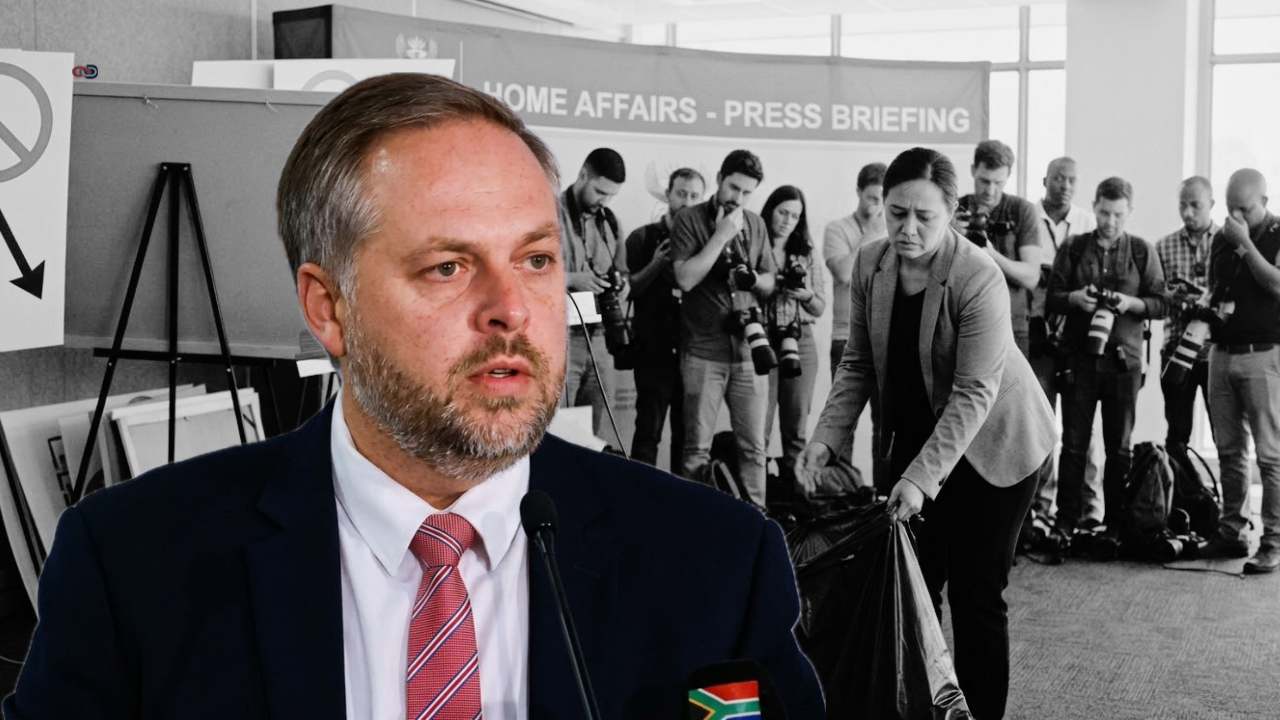
One of the most consequential immigration developments of 2026 was the dispute surrounding asylum applications after a Constitutional Court judgment. It exposed a serious problem in the relationship between government policy, constitutional obligations and the practical operation of the refugee system.
In July, the Constitutional Court ruled in the case involving the Scalabrini Centre of Cape Town and the Minister of Home Affairs that certain provisions of the Refugees Act were unconstitutional because they prevented some people from accessing the asylum system purely on procedural grounds. These included people who entered South Africa irregularly, lacked an asylum transit visa or failed to report to a refugee reception office within the prescribed period.
The judgment did not automatically grant refugee status, permanent residence or legal permission to everyone who entered South Africa. It required that people claiming asylum be allowed access to the process through which their claims could be assessed. Those whose claims do not meet the legal requirements can still be rejected through the proper procedures.
Home Affairs subsequently issued operational directives to implement the judgment. But the process quickly became controversial. Refugee reception offices experienced overwhelming numbers of applicants, queues grew and concerns emerged about the department’s ability to manage the sudden demand. In October, the government acknowledged operational difficulties and unintended consequences arising from the implementation of the judgment.
Then came an extraordinary development: Home Affairs withdrew the directive after anti-immigration violence in Johannesburg and Durban. Reuters reported that the withdrawal followed concerns about the pressure on refugee reception offices, staff safety and public order.
This raises a difficult question. If the Constitutional Court had clarified the legal position, why did the department’s implementation create such confusion? Did Home Affairs adequately assess the likely number of applicants, prepare its offices and communicate the legal implications before issuing the directive? Why did the government appear to be responding to a legal obligation through emergency announcements and reversals?
The state cannot simply ignore a Constitutional Court judgment because implementing it is difficult or politically unpopular. Equally, the public deserves a refugee system that is properly organised, efficient and capable of identifying fraudulent or unfounded claims.
The withdrawal also created uncertainty for people seeking asylum, officials processing applications and communities concerned about immigration enforcement. The government needed to explain precisely what procedures remained in force and how applicants would be treated while the legal and administrative situation was being addressed.
The real failure to investigate here is not the court’s judgment. It is whether the department was prepared to implement the law competently, and whether its communication and operational decisions made an already difficult situation worse.
THE QUESTION: HOW DID A LEGAL JUDGMENT TURN INTO AN ADMINISTRATIVE CRISIS, AND WHO MUST ACCOUNT FOR THE CONFUSION THAT FOLLOWED?






Leave a Reply