
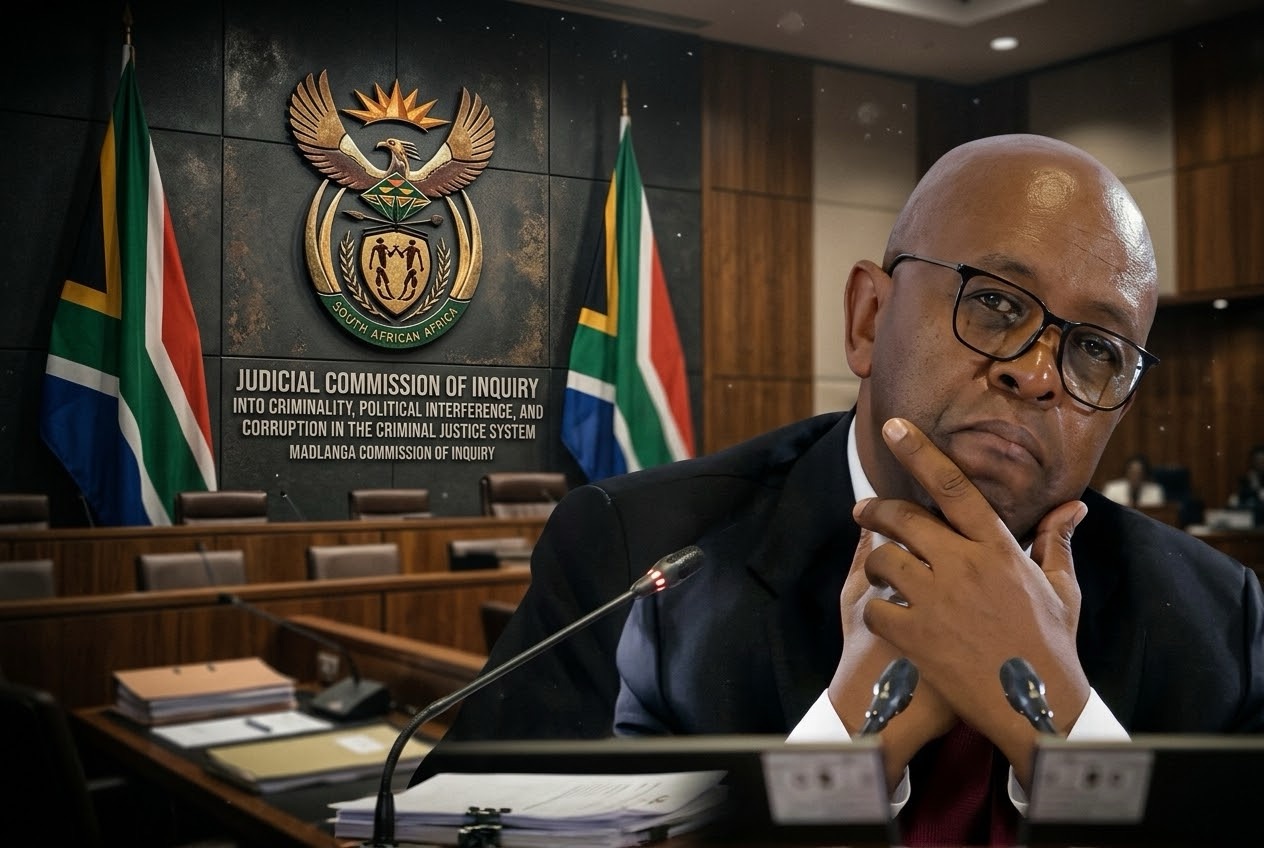
While the public follows the dramatic exchanges in open hearings, some of the Commission’s most sensitive evidence has been heard behind closed doors. The inquiry has previously explained that certain witnesses were heard in camera because their evidence involved ongoing investigations or confidential material.
This raises a difficult but important question: how much of the story remains outside public view?
The Commission has dealt with witnesses whose identities and evidence have been protected, as well as intelligence-related documents that cannot simply be placed on public display. In some cases, the reasons for confidentiality relate to witness safety. In others, the material may involve classified information or sensitive investigative operations.
The public should not automatically assume that a closed session means a major revelation has occurred. Equally, it would be a mistake to assume that the absence of public testimony means the evidence is unimportant. The challenge is to understand what the Commission can disclose, what must remain confidential and how the evidence will ultimately inform its findings.
The recent appearance of tow-truck operator Clive Naicker on 16 November adds another important dimension. Naicker, who had previously been named in allegations before the Commission, denied the allegations against him. His testimony illustrates why the inquiry must hear from people who have been implicated, rather than allowing allegations to become accepted as facts without a response.
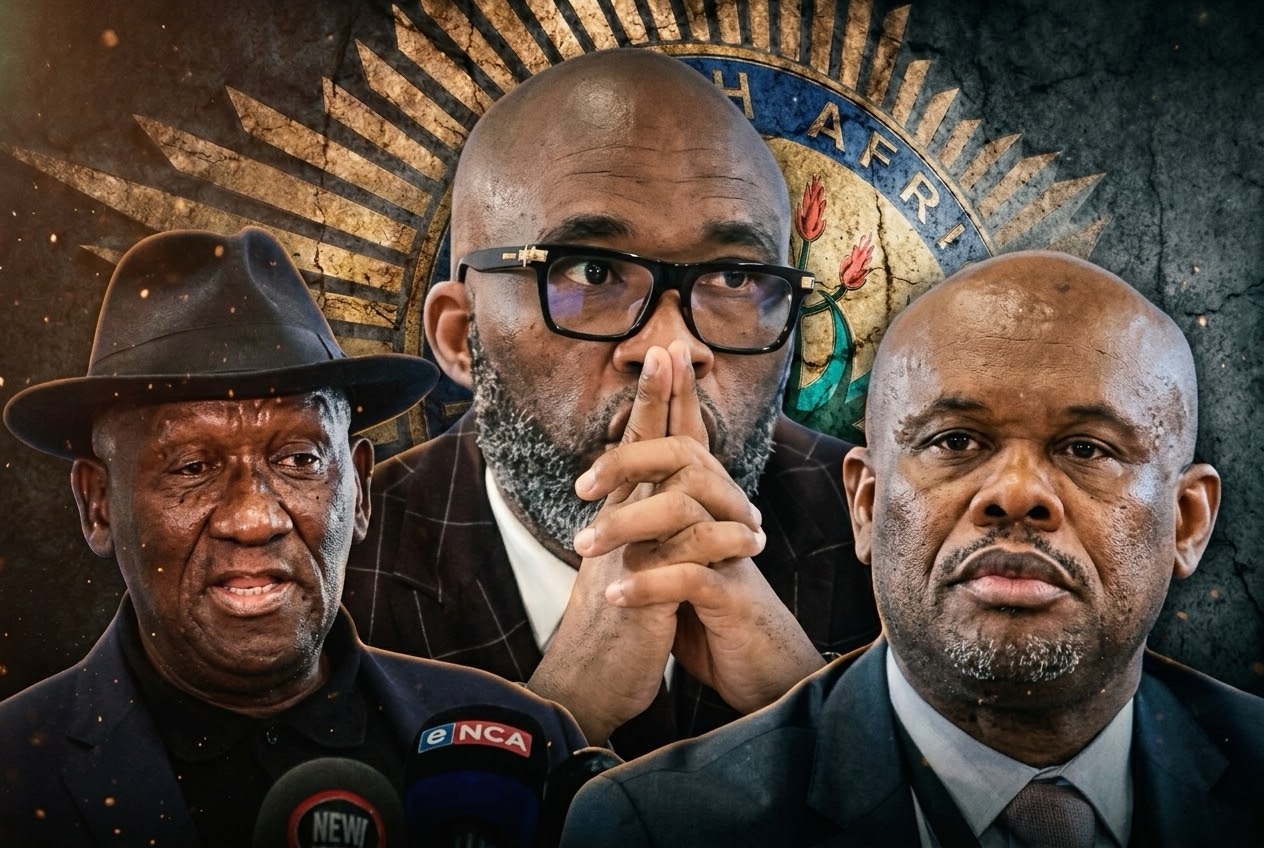
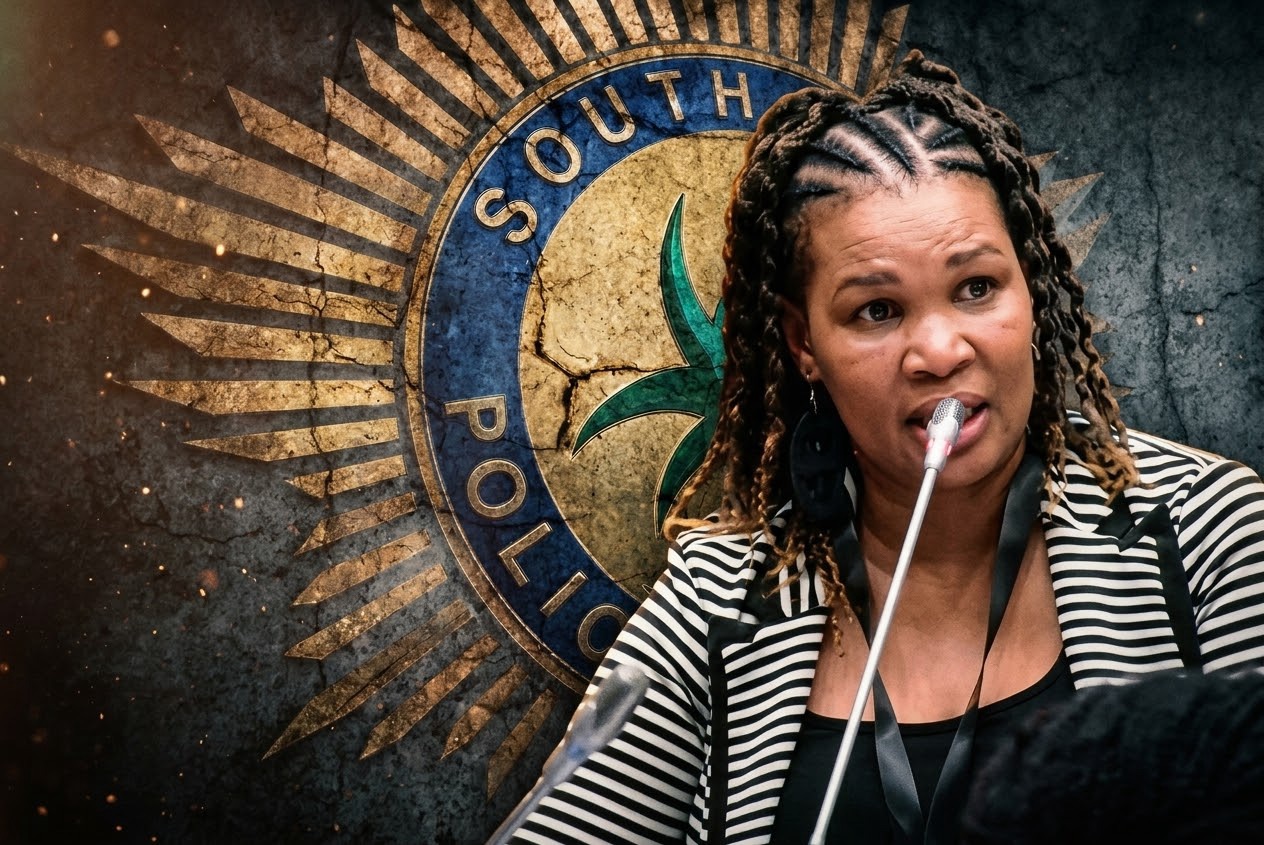
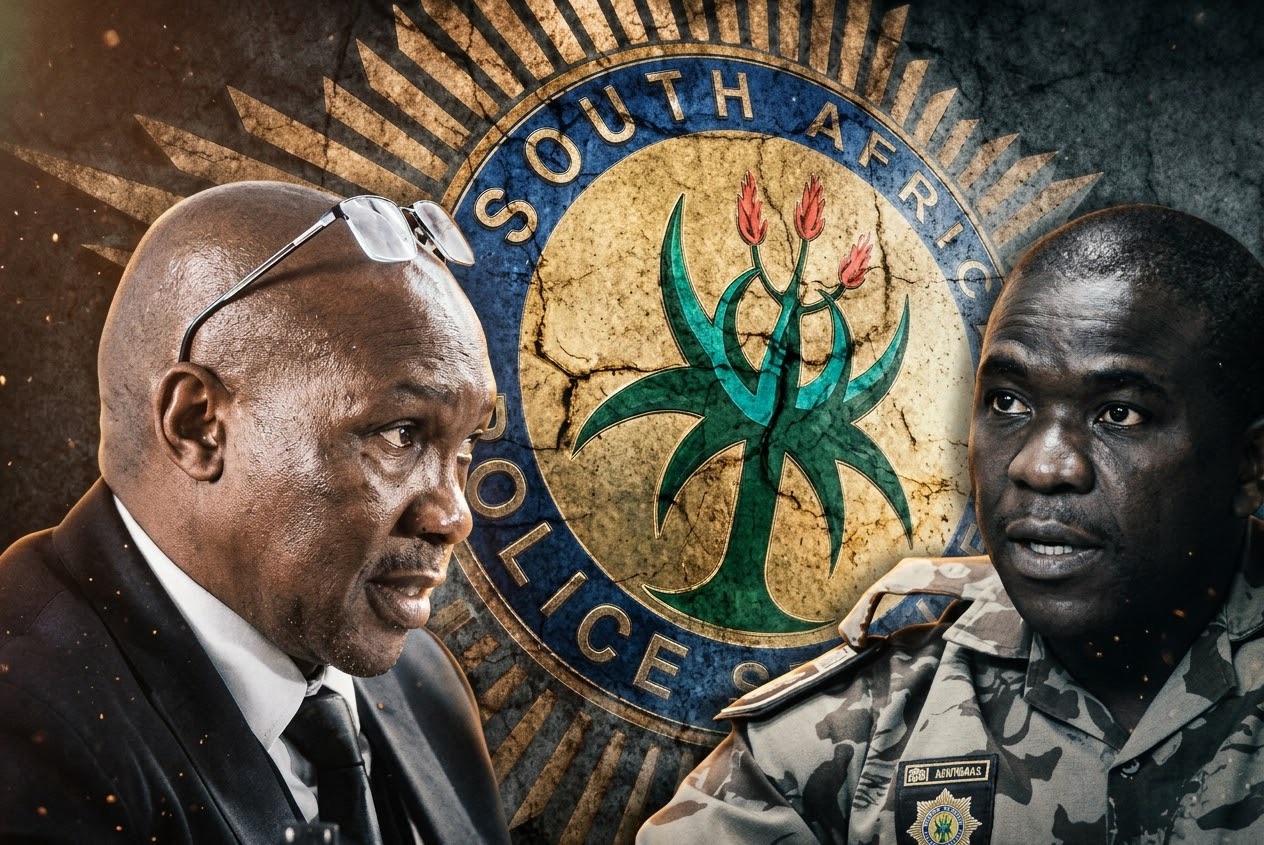
There are also outstanding appearances by senior figures, including Mchunu, Mkhwanazi and Khumalo. Their evidence could help clarify issues that have emerged across different chapters of the inquiry. The Commission’s final report is due to be delivered to President Cyril Ramaphosa by 25 January 2027, making the remaining evidence particularly important.
For Crime Connect, the real story is not simply which witness will appear next. It is whether the Commission can connect the evidence across different investigations, institutions and individuals to establish what happened and who, if anyone, must be held accountable.
South Africans deserve a clear account of how organised crime allegedly penetrated law enforcement, how intelligence was handled, whether public resources were abused and whether the institutions responsible for fighting crime were themselves compromised.
The biggest revelations may not come from the loudest moments in the hearing room. They may come from the documents, the protected testimony and the connections that only become visible when all the evidence is put together.

Leave a Reply