
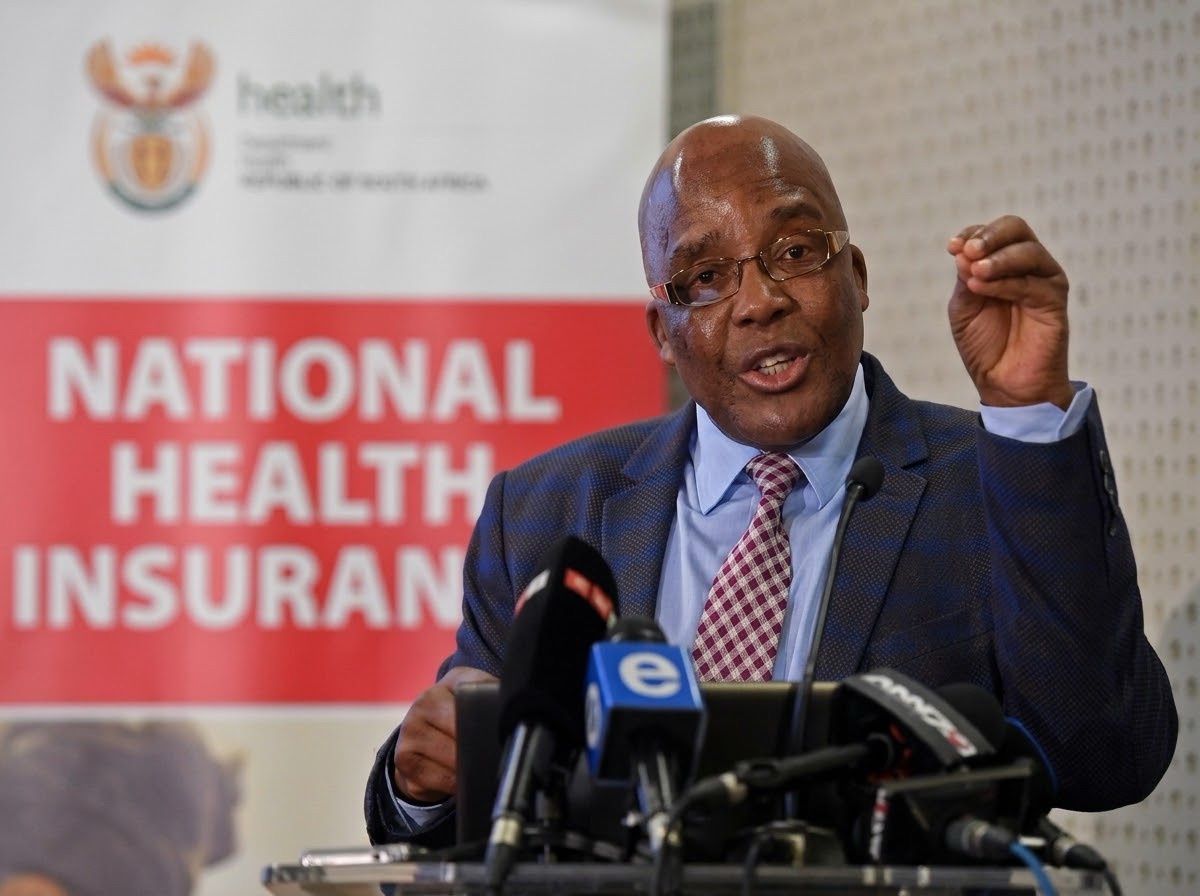
Health Minister Dr Aaron Motsoaledi has warned that South Africa’s dependence on imported medicines and pharmaceutical ingredients is exposing the country’s healthcare system to international supply chain disruptions, including the ongoing instability affecting shipping through the Strait of Hormuz.
Motsoaledi says approximately 95% of medicines are procured from overseas and that South Africa does not currently manufacture its own Active Pharmaceutical Ingredients (APIs). These are the chemical substances responsible for producing the intended medical effect in a medicine. He explained that disruptions to international shipping routes have affected the delivery of these essential ingredients, creating further pressure on medicine supplies.
The scale of the country’s dependence is reflected in figures released by the Council for Scientific and Industrial Research (CSIR). According to the organisation, South Africa imports approximately 98% of the APIs used by its pharmaceutical manufacturing industry, at an annual cost of around R15 billion. This means that even medicines manufactured or packaged locally can depend heavily on ingredients produced abroad.
The warning comes amid growing medicine shortages in South Africa’s public healthcare system. A report published by Business Day on 5 November found that the Department of Health’s October shortage list identified 165 medicine products facing critical supply challenges. The shortages affect several treatment areas, including cancer, HIV, hypertension, diabetes and mental health conditions. Some patients have reportedly been forced to seek medication from private pharmacies when public facilities cannot supply their prescriptions.
The shortages are not being attributed to international shipping problems alone. The National Department of Health has previously identified manufacturing disruptions, regulatory compliance problems, supplier constraints, delayed deliveries and local procurement challenges as contributing factors. The department has also been working to source alternative medicines and redistribute available stock between healthcare facilities.
There are efforts to address the country’s long-term dependence on imported ingredients. In October, the CSIR launched its FuturePharma facility in Tshwane, an initiative intended to strengthen local pharmaceutical research and manufacturing capabilities, including the development of locally produced APIs. The facility is part of a broader effort to improve South Africa’s medicine security and reduce exposure to international supply disruptions.
Motsoaledi’s warning raises an important question about South Africa’s ability to protect patients when international conflicts, shipping disruptions or manufacturing problems affect the supply of essential medicines. For a country that relies so heavily on imported pharmaceutical ingredients, strengthening local production has become an important part of its long-term healthcare security.







Leave a Reply