
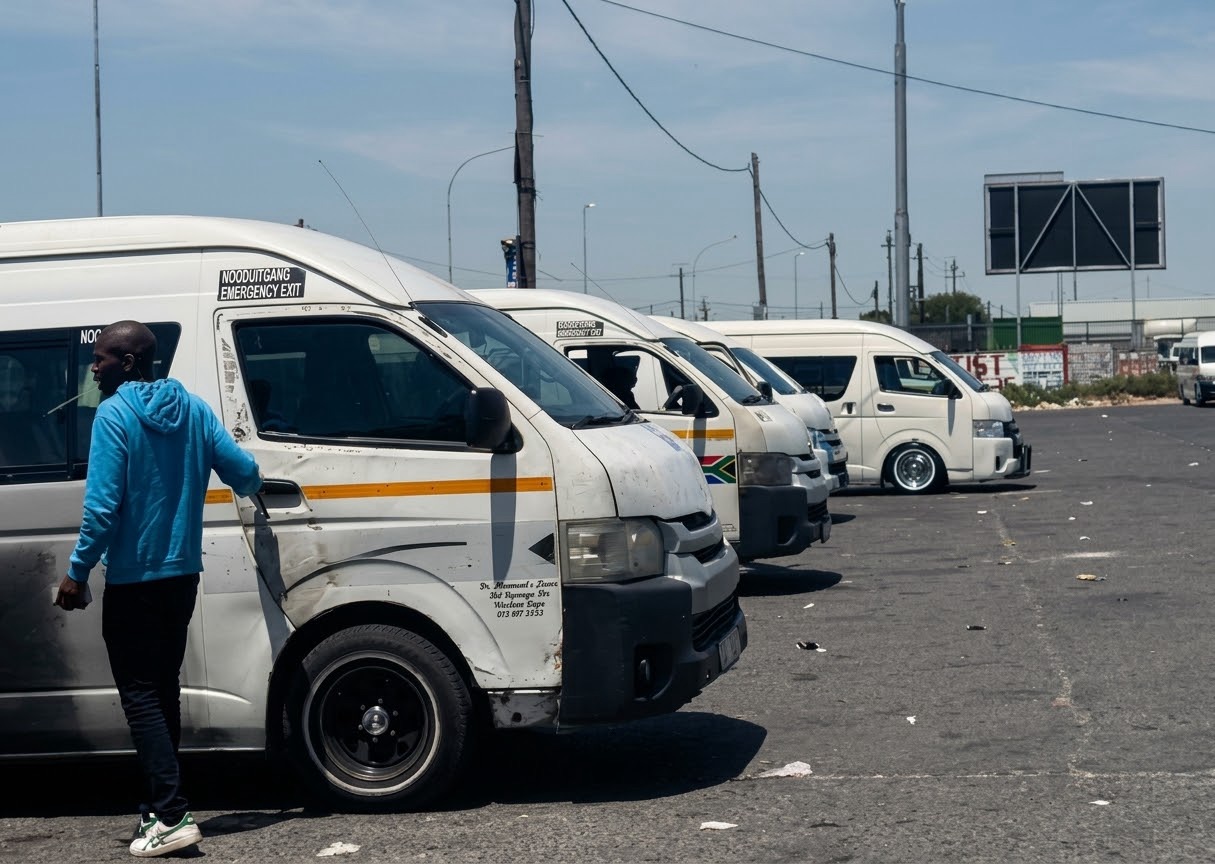
Efforts to end the deadly taxi violence affecting Delft, Langa and Epping in the Western Cape have produced commitments from rival taxi associations to restore peace, but further shootings have raised questions about whether the agreements will hold.
The conflict, linked to disputes over operating routes between the Cape Amalgamated Taxi Association (CATA) and the Cape Organisation for the Democratic Taxi Association (CODETA), has disrupted public transport and left commuters fearing for their safety.
The South African National Taxi Council (SANTACO), together with the Western Cape Government and the City of Cape Town, has been involved in efforts to bring the two organisations to the negotiating table.
Rival associations agree to a truce
On 2 November 2026, representatives of CATA and CODETA met with provincial and municipal authorities to address the escalating violence.
Following the engagement, both associations committed to working towards a peaceful resolution and agreed to a seven-day truce. The agreement also included an independently facilitated process to address the underlying disagreements.
Western Cape Mobility MEC Isaac Sileku described the meeting as a positive step, saying the associations had committed to putting down their guns and resolving their differences through engagement.
SANTACO’s Western Cape spokesperson, Makhosandile Tumana, welcomed the outcome and expressed hope that both organisations would honour their commitments.
The agreement came after weeks of shootings along the Delft-Langa-Epping corridor and other affected areas. Taxi operations at several ranks resumed, although commuters continued to express concerns about their safety.
More shootings after the peace agreement
Despite the agreement, violence continued.
On 5 November, CATA chairperson Nkululeko Sityebi was shot and wounded at Nyanga taxi rank. Police opened an attempted murder investigation, with the attack believed to be taxi-related.
The situation escalated again on 10 November when three people linked to rival taxi associations were shot and killed in Khayelitsha.
SABC News reported on 11 November that taxi violence was continuing despite negotiations between the associations and authorities.
A further five-hour meeting was held, during which it was agreed that only taxis with valid operating permits should operate on the affected routes between Delft and Mutual, as well as Delft and Epping.
SANTACO again appealed for calm, warning that commuters and taxi drivers were bearing the consequences of the ongoing conflict.
Court intervention and regulatory action
Authorities have also turned to the courts and regulatory measures in an effort to stop the violence.
The Western Cape High Court granted an interim interdict against CATA, CODETA, their office bearers and affiliated associations and members.
The order prohibits violence, intimidation, road blockades, interference with transport services, unlawful route takeovers and the possession of firearms and dangerous weapons at affected transport facilities and on the relevant routes.
Separately, the Western Cape Provincial Taxi Registrar suspended the registration of the CATA Langa Inter-township Taxi Association for six months following an inquiry into unlawful operations in Epping.
The interim court order is due to return to court on 20 November 2026, when the respondents will have an opportunity to argue why it should not be made final.
Commuters caught in the middle
The dispute has affected more than the taxi operators involved. Thousands of residents rely on minibus taxis to travel to work, school and other essential destinations.
Temporary rank closures, disrupted services and fears of further shootings have placed additional pressure on communities already dependent on public transport.
Although the peace agreement offered hope of restoring normal operations, the subsequent attacks demonstrate that commitments made during negotiations have not yet secured a lasting end to the violence.
For now, authorities and SANTACO continue to call on both associations to honour their undertakings and resolve the route dispute through lawful processes rather than violence.
The priority remains protecting commuters, drivers and innocent members of the public caught up in the conflict.




Leave a Reply