

The Monetary Policy Committee increased the policy rate by 25 basis points, putting renewed pressure on borrowers while the central bank weighs inflation risks against weak economic growth.
By Crime Connect Business Desk
23 September 2026 | 17:20
PRETORIA — The South African Reserve Bank has increased its policy interest rate by 25 basis points to 7.25%, marking another significant development for households, businesses and borrowers.
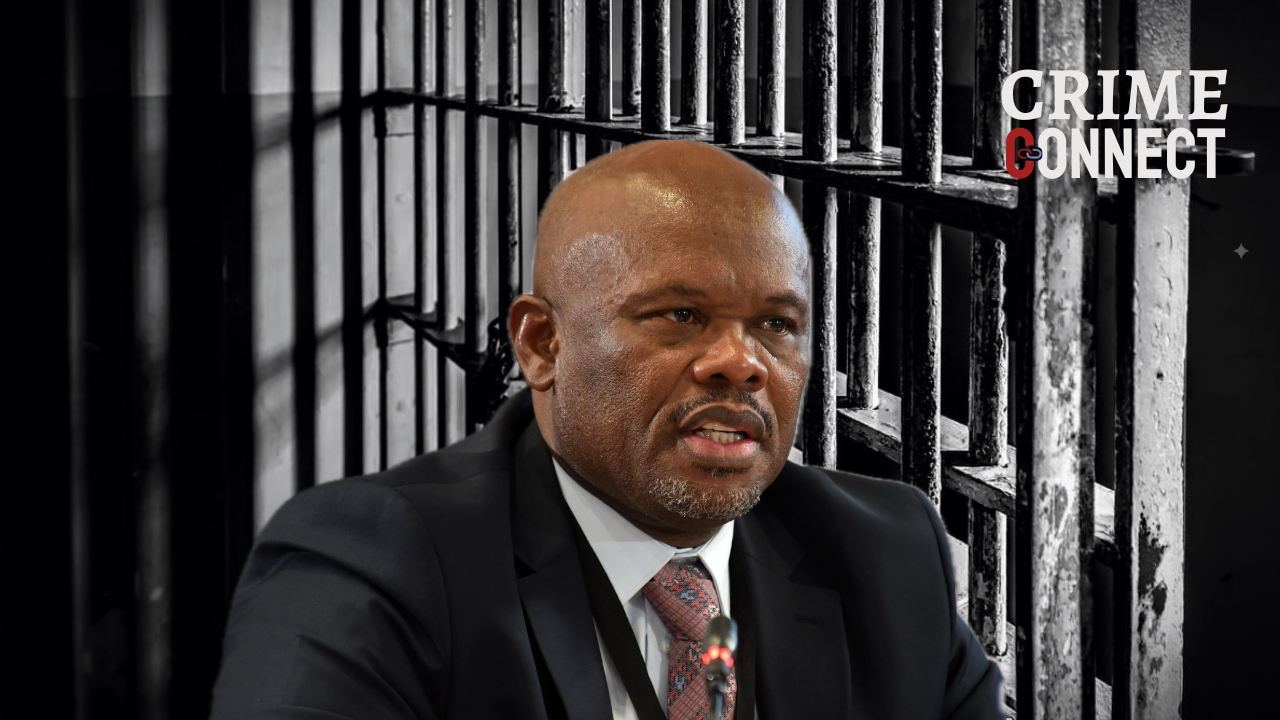
The announcement came from Governor Lesetja Kganyago after the Monetary Policy Committee’s latest meeting.
The decision comes against a complicated economic backdrop: inflation risks remain elevated while economic growth remains weak.
The Reserve Bank’s own website lists the Monetary Policy Committee statement for 23 September 2026. (South African Reserve Bank)
What does a 25-basis-point increase mean?
A 25-basis-point increase is equivalent to 0.25 percentage points.
For consumers, the most immediate concern is borrowing costs.
People with variable-rate loans may see their repayments increase as banks adjust lending rates.
That can affect:
- home loans;
- vehicle finance;
- personal loans;
- business borrowing; and
- other forms of variable-rate credit.
The exact effect will depend on each customer’s loan agreement and the interest rate charged by their bank.
Why did the Reserve Bank raise rates?
The decision comes as policymakers continue to assess inflation risks.
The central bank is attempting to ensure that price increases do not become entrenched while also considering the effect of interest rates on economic activity.
South Africa’s economy remains under pressure, making the decision particularly significant for households already facing high living costs.
The impact on ordinary households
For someone with a large variable-rate loan, even a relatively small increase can affect monthly cash flow.
Households may therefore have to reassess their budgets.
Those with fixed-rate loans may not immediately experience the same effect, depending on the terms of their agreements.
Consumers should check their individual bank statements and loan agreements rather than assuming the increase will affect every account in exactly the same way.
Businesses also face pressure
Businesses that rely on borrowing can also be affected.
Higher financing costs can make expansion, equipment purchases and working-capital borrowing more expensive.
For smaller businesses operating on tight margins, changes in interest rates can therefore become an important financial consideration.
The bigger economic picture
The rate decision illustrates the difficult balancing act facing the Reserve Bank.
Keeping rates higher can help contain inflation pressures but can also increase borrowing costs.
Keeping rates lower can provide relief for borrowers but may make it more difficult to contain inflation if price pressures are persistent.
The MPC therefore considers inflation, growth, financial conditions and international developments when making its decisions.
What happens next?
The Reserve Bank will continue monitoring economic data before its next policy decision.
For South Africans, the practical question is how banks respond to the increase and how it affects individual borrowing costs.
Consumers with variable-rate debt should check their expected repayment changes with their lenders.
Crime Connect Business Desk will continue tracking the effect of the rate decision on households, businesses and the cost of living.





Leave a Reply