

President Cyril Ramaphosa has reportedly expressed frustration with the Democratic Alliance (DA), with tensions over direct communication and policy disagreements adding to uncertainty surrounding the Government of National Unity (GNU).
According to a Sunday Times report published on Sunday, 15 November 2026, Ramaphosa raised his concerns during an ANC National Executive Committee (NEC) meeting held earlier in the week. Party insiders reportedly said he was unhappy with the DA’s repeated criticism of ANC policies and its decision to challenge certain government policies in court.
One issue reportedly involved DA leader Geordin Hill-Lewis, whose attempts to communicate directly with the President allegedly irritated Ramaphosa. An ANC insider told the publication that the President wanted requests concerning party matters to be channelled through Luthuli House, rather than approaching him directly. The source further claimed that Ramaphosa had not responded to some of Hill-Lewis’s requests for an audience.
The reported frustration comes amid growing divisions within the ANC over its relationship with the DA. Following the ANC’s poor performance in the 4 November local government elections, several party leaders have reportedly questioned whether the national coalition has benefited the governing party. Some NEC members are said to favour exploring alternative partnerships, including with ActionSA, while keeping the DA as a possible option where necessary.
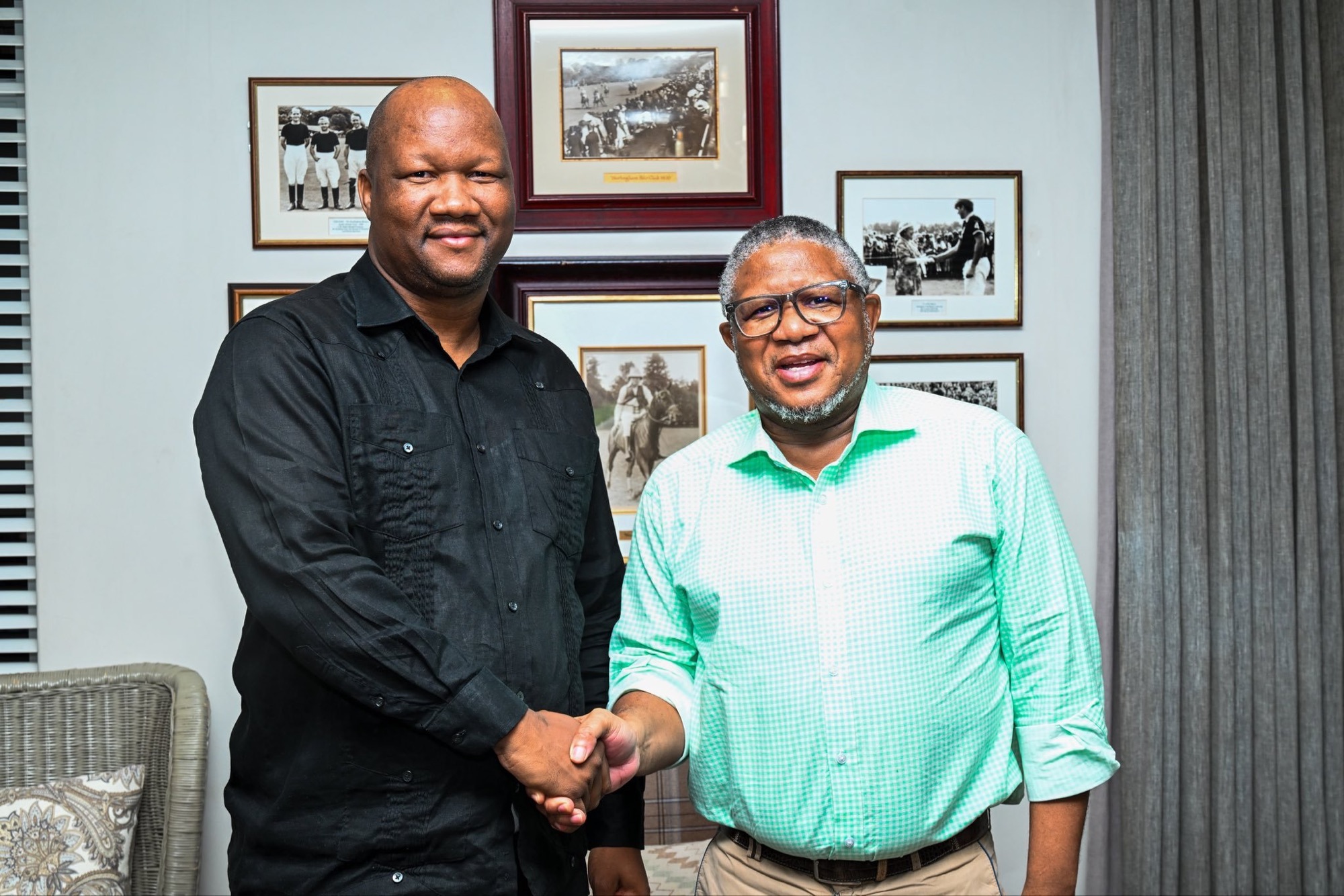
The ANC’s position is that coalition negotiations will be centrally coordinated. Party spokesperson Mahlengi Bhengu confirmed that the ANC would engage political parties represented in municipal councils, with a national negotiations team led by Secretary-General Fikile Mbalula overseeing the process. She also confirmed that the ANC would meet with the DA on 15 November.
The DA, meanwhile, has maintained that its coalition discussions are focused on principles such as stable government, accountability and improved service delivery. DA federal council chair Ashor Sarupen has said the party is engaging other organisations on the policies and principles needed to stabilise municipalities.
The tensions are significant because the ANC and DA remain partners in the national Government of National Unity, despite their disagreements over policy. The municipal coalition negotiations could therefore influence not only local administrations but also the future relationship between the two parties at national level.

Leave a Reply