
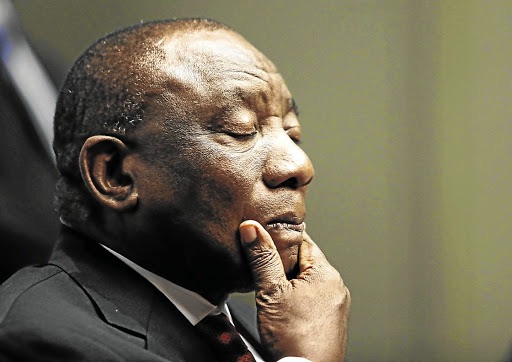
The question of Cyril Ramaphosa’s political future has become one of the biggest talking points following the African National Congress’s disappointing performance in South Africa’s November 2026 local government elections.
The ANC’s support has continued to decline, falling from 45.59% in the 2021 local government elections to approximately 30.76% in the latest results. The figures represent another major setback for a party that once dominated South African politics and now faces difficult coalition negotiations in several municipalities.
In the aftermath of the election results, reports emerged suggesting that Ramaphosa had raised the possibility of stepping down during discussions within the ANC’s National Executive Committee. Some reports claimed he had suggested that the party’s top leadership should collectively take responsibility for the electoral defeat, while others indicated that he could consider resigning if the leadership was unwilling to step aside together.
These reports immediately placed the presidency under renewed pressure. However, the ANC has publicly rejected the suggestion that Ramaphosa is preparing to leave office.
On Thursday, 12 November, ANC national spokesperson Mahlengi Bengu told journalists that the president was not going anywhere and that there was no pressure from the current leadership for him to resign. She described reports suggesting otherwise as fabrication. ANC secretary-general Fikile Mbalula had also previously dismissed claims that Ramaphosa was considering stepping down.
But the political debate has not disappeared. Former president Thabo Mbeki has added his voice to the discussion, questioning the record of Ramaphosa’s presidency and suggesting that, if reports of a possible resignation were true, stepping aside would be the right decision. Mbeki also questioned whether other members of the ANC leadership should take responsibility for the party’s decline.
His comments add another dimension to an already uncomfortable moment for the governing party. The ANC is not only dealing with a disappointing election result; it is also confronting questions about leadership, public confidence, its record in government and whether the current leadership can rebuild support ahead of the next national election.
The party is preparing for an Extended Special National Executive Committee meeting to assess the election outcome and determine its next steps, including coalition negotiations. Whether Ramaphosa’s position becomes part of deeper leadership discussions remains to be seen.
At this stage, there is no confirmed announcement that Ramaphosa is resigning. The ANC says he is staying, while reports about internal discussions continue to circulate. It is important to distinguish between what has been reported, what the party has denied and what has actually been confirmed.
However, one reality cannot be denied: the ANC has suffered another significant electoral setback, and the pressure for accountability is growing. South Africans are increasingly demanding answers about the party’s performance and the direction of the country.
The real test for Ramaphosa and the ANC will not be how strongly they deny resignation reports, but whether they can convince voters that they understand the message delivered at the ballot box.
The jig is up for business as usual. The ANC can deny a leadership crisis, but it cannot ignore the voters who are walking away.



Leave a Reply